


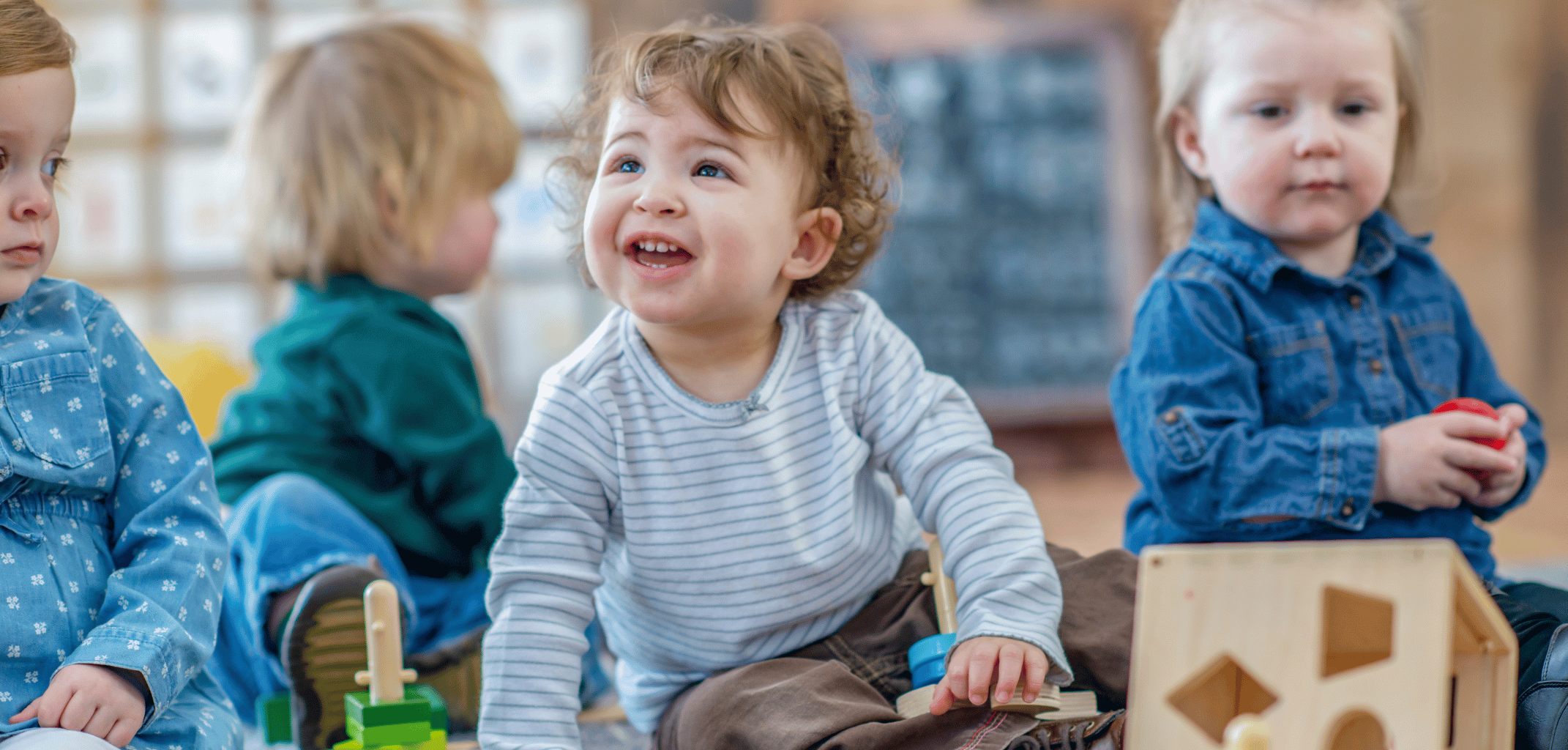
The development of fine motor skills in early childhood is crucial for coordination, speech, and future writing skills. For children aged 0 to 3, this is most effectively supported through play and daily activities.
For babies (0–1 years), games involving grabbing and releasing objects, rattles, and soft toys with different textures are suitable. These stimulate the senses and control of movement.
For children between 1 and 2 years old, activities such as stacking blocks, placing objects in boxes, and playing with large puzzles can be included. These games develop hand-eye coordination.
After age 2, drawing with crayons, stringing large beads, and sorting by shape and color are recommended. This helps build more precise movements and concentration.
It is of utmost importance that the chosen activities are safe, age-appropriate, and carried out without pressure from an adult. The best results in the development of fine motor skills are achieved when the child learns through play and active participation.